


The speed limits in Japan are between 80 and 100 km/h on expressways, 30 km/h in side streets, 40 km/h in urban areas, and between 50 and 60 km/h elsewhere unless states otherwise.
Although Japan has prided itself as having the most efficient public transportation systems around large metropolitan areas around Tokyo, Osaka and Nagoya, less known sceneries are definitely worth and handy exploring by car. Here is a brief guide aiming at helping you drive comfortably on Japanese roads.
Driving is on the left-hand side of the road in Japan. Even though Japanese drivers are renowned for their respect of the driving rules, you should pay attention to cyclists, some of whom happen to ride on the wrong side of the road.
 Speed Limit
The speed limits in Japan are between 80 and 100 km/h on expressways, 30 km/h in side streets, 40 km/h in urban areas, and between 50 and 60 km/h elsewhere unless states otherwise.
 Traffic Signs
There are mainly four types of traffic signs in Japan: regulatory signs, warning signs, information and direction signs. For each type, you can find below several signs that you may not familiar with.
A typical Japanese regulatory sign generally features a red circle with a white background and blue pictograms.
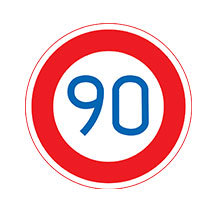 Speed Limit (90 km/h) | 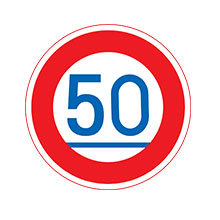 Minimum Speed Limit (50 km/h) | 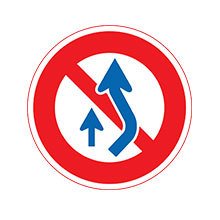 No Overtaking | 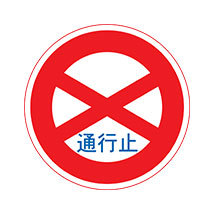 Road Closed to Toll |  Road Closed to Vehicles | 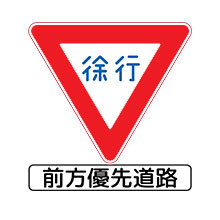 Slow down (In Japanese and English) |
Japanese warning signs feature a diamond shape and yellow background.
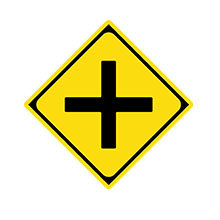 Crossroads | 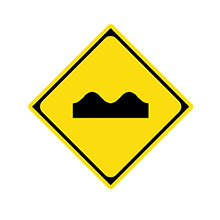 Bumpy Road | 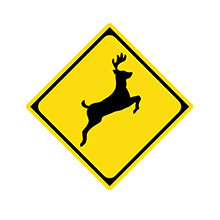 Wild Animals Crossing (Deer) | 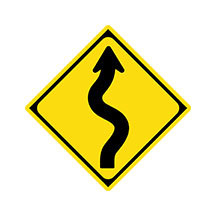 Succession of More Than Two Curves to the Right | 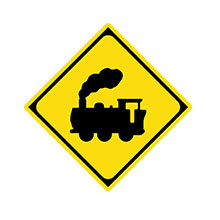 Railroad Crossing Ahead | 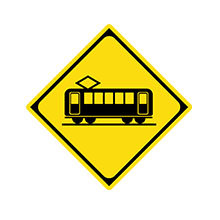 Tram Crossing Ahead |
Japanese information signs feature a green background.
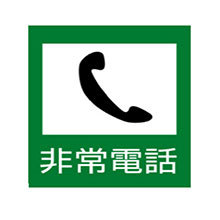 Emergency Telephone | 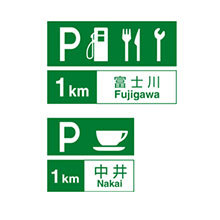 Rest Area/Parking Fuel Stand, Etc. |
Direction signs in Japan feature a rectangular shape with a blue or green background.
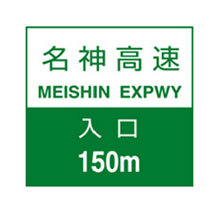 Expressway Entrance | 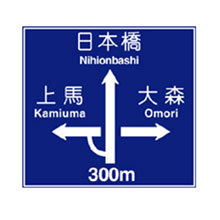 Destination & Direction |
To read more about Japanese road signs, here is a more detailed booklet.
 Seatbelt Laws
Drivers and all the passengers are required by law to wear a seatbelt. Failure to fasten your seatbelt may result in a fine.
 Booster Seat Laws
Children under 6 years of age must be seated in child seats.
 Parking
· Permitted Parking
In Japan, parking cost normally depends on the size of the city and the distance from the city centre. Parking in small towns and cities is usually free.
Paid parking can be expensive in big cities, costing several hundreds of yen per hour. Parking lots in national parks or near tourist attractions sometimes charge a flat fee (typically 200 to 500 yen per use). Urban hotels usually provide parking for their guests at a flat rate (typically 1000 yen per night), while hotels outside the large cities usually offer free parking.
· Forbidden Parking
Please do not park your car indicated with the “No Parking” signs.
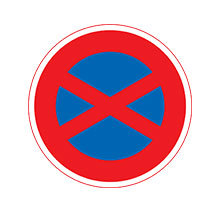
Also do not park the rental vehicle in a place only allowed to use by renting on a monthly basis, marked by the “Kanji” of “月極 ” or “月極駐車場”.
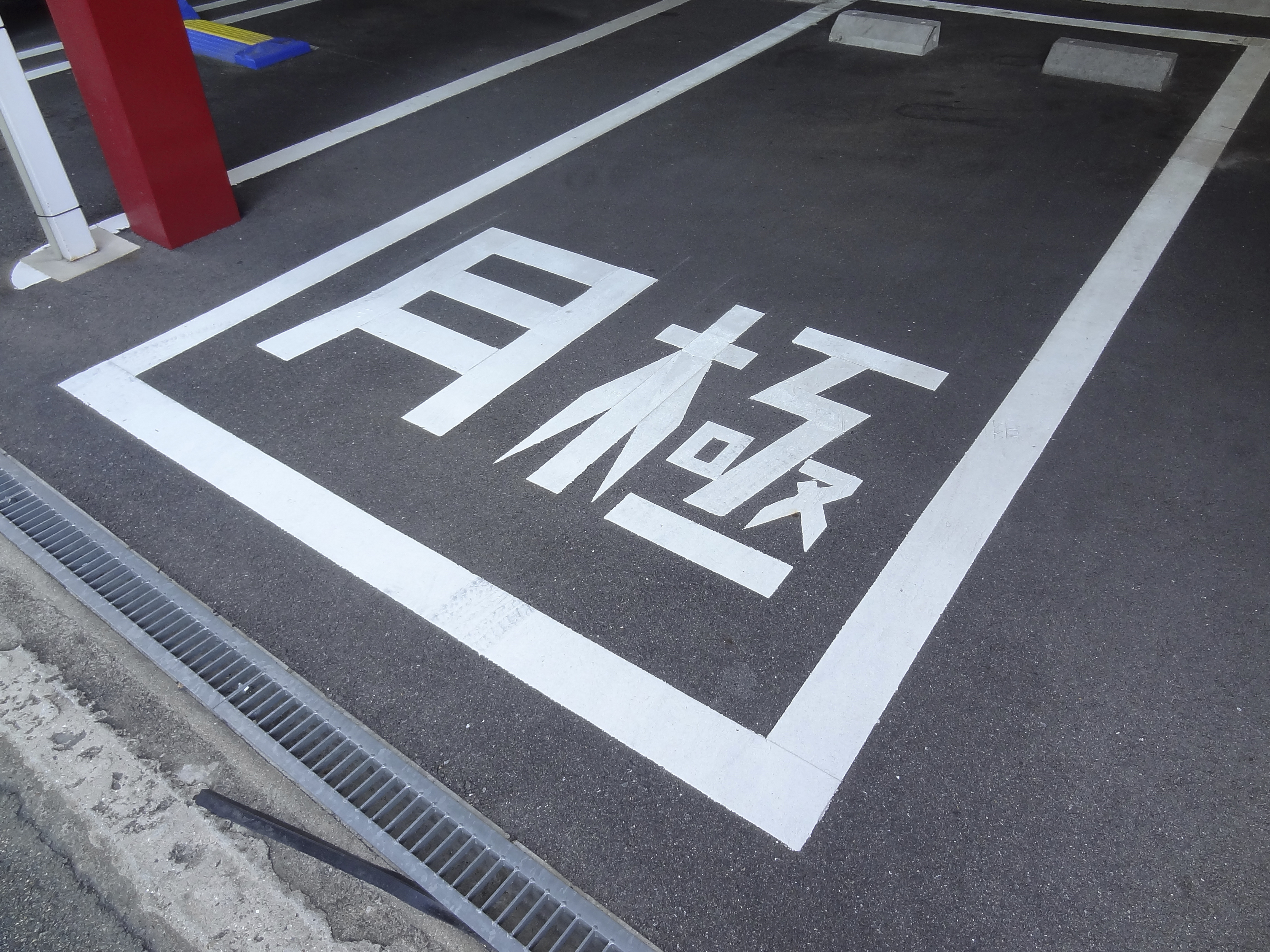
In addition, it is against the law to park a vehicle in the following places in Japan:
- In a tunnel
- On, or within five metres of the edge of an intersection
- Within three metres of the automobile entrance of a garage, car-park or similar
- On pedestrian or cycle crossings and railway lines
- Within ten metres of a bus stop or a bus stop sign
- Within five metres of the edge of an area of road works
- Within five metres of a fire hydrant, water tank or other fire safety equipment
Forbidden parking in Japan will lead to a hefty fine.
 Fuel Prices
The average gasoline price in Japan in January 2018 was 141.50 Japanese Yen per litre, while the diesel price was 118.40 over the same period of time.
 Toll
TollMost of the expressways in Japan are toll roads and you must pass through the automatic ETC (Electric Toll Collection) gate or manual gate with ticketing machine. It is highly common to rent an ETC system with the car hire company when taking a self-driving tour in Japan, and it allows you to drive through the ETC gate without stopping. ETC gate feature white “ETC 專用” characters on a purple background.5
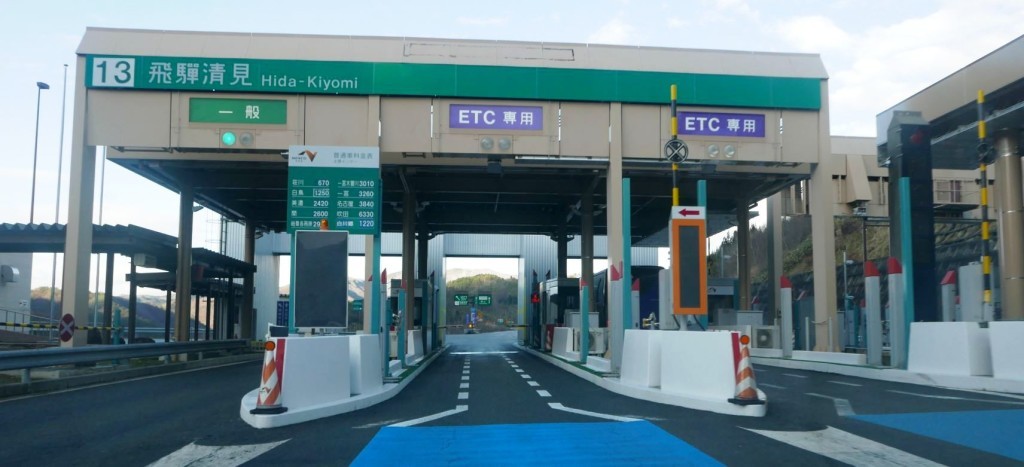 (Image from takingflights.com)
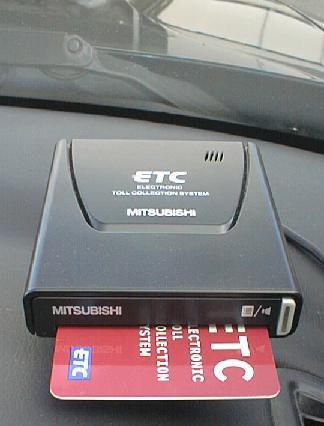 (Image from demflyers.com)
Alternative to ETC tolling, you may proceed to the manual gate, which is recognized by the“一般” characters written with a green background. Cash or bank cards can be used to pay the toll fee before entering the road.
 DUI Laws
The alcohol limit in Japan is BAC 0.03%. Drink driving above the limit can result in a maximum prison sentence of 3 years or a fine of about $480,000 Japanese Yen.
 Traffic Fines
Speed cameras and speed traps are used to monitor driving speed in Japan. Drivers who exceed the speed limits up to 40km/h over can be fined from 9000 Japanese Yen to 35,000 Japanese Yen, and a 50km/h excess or more over will be viewed as criminal infringement and can result in a prison sentence up to 6 months, or up to 100,000 Japanese Yen fine.
Parking in the prohibitive areas will usually cause a fine from 10,000 to 20,000 Japanese Yen.
Q1.什麼是保險自負額?
Q2. 我可以如何新增附加駕駛人?
Q3.如果我想在非營業時間取車或還車怎麼辦?
Q4. 我可以將租用的車輛開往其他國家或跨境使用嗎?
我可以在一個地點取車並在異地還車嗎?
了解我們的隱私政策 - 您可以隨時輕鬆取消訂閱!
2026年5月8日
目的地: Tokyo
Nippon取車不用押金真的滿有感的,特別是同行人多、旅途中開銷本來就不少,少先壓一筆錢差很多。取車當下也比較安心,不會一邊辦一邊擔心之後退款麻不麻煩。
查看更多2026年5月7日
目的地: Tokyo
車子很新,取車流程順暢,還車時只簡單確認了一下油量,整體體驗不錯
查看更多